
Enhancing Athletic Performance and Injury Prevention: The Role of the Single Leg Elevated Hamstring Bridge and Single Leg Hop Tests
Published:
Abstract: In the dynamic world of sports performance and rehabilitation, precise assessment tools are essential. Two such tools, the Single Leg Elevated Hamstring Bridge Test and the Single Leg Hop Test, have emerged as critical components in an athlete’s performance and injury prevention toolkit. This blog post delves into how these tests, with their specific metrics, provide invaluable insights for athletes and coaches alike.
Single Leg Elevated Hamstring Bridge Test
Understanding the Test
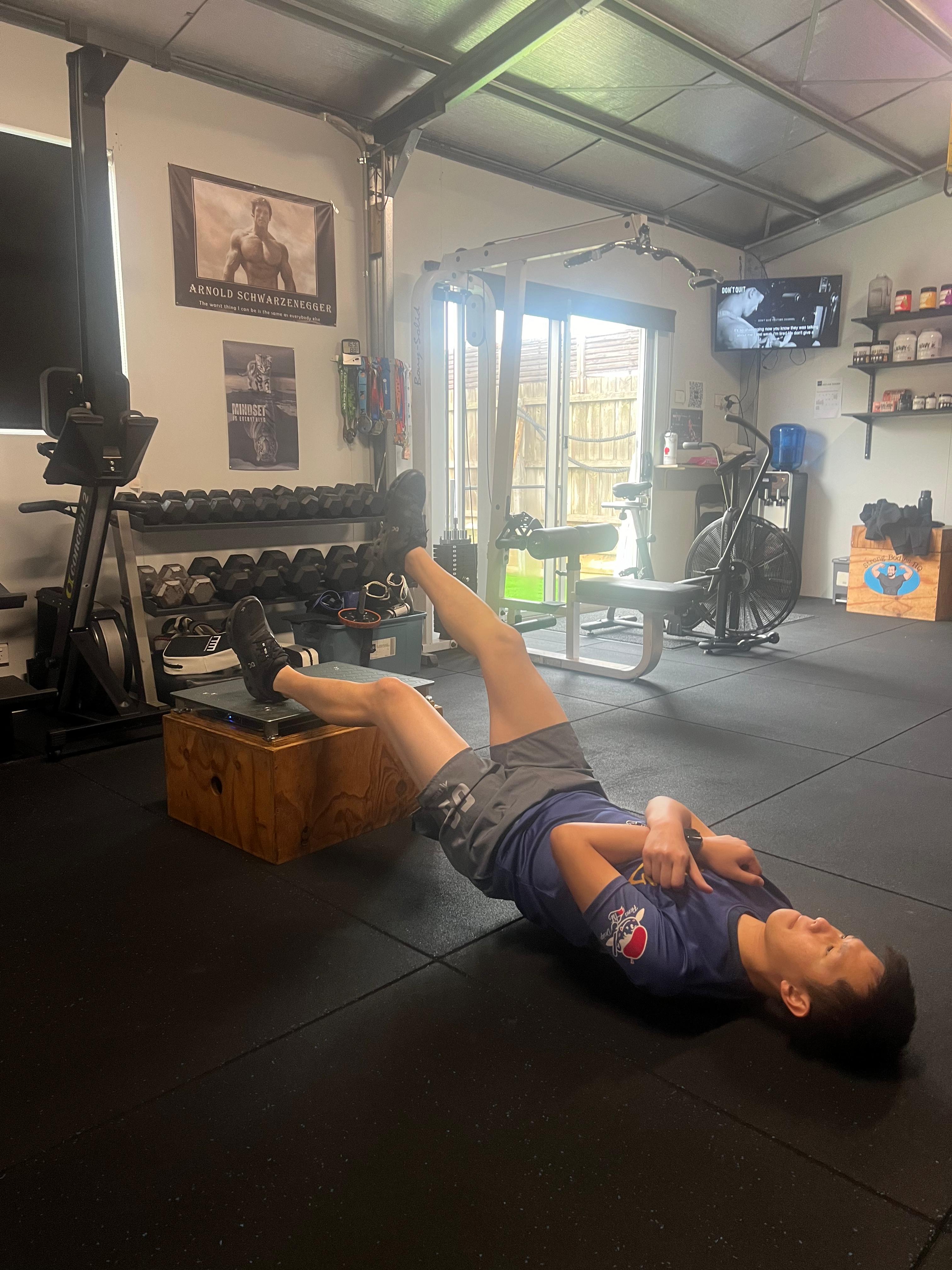
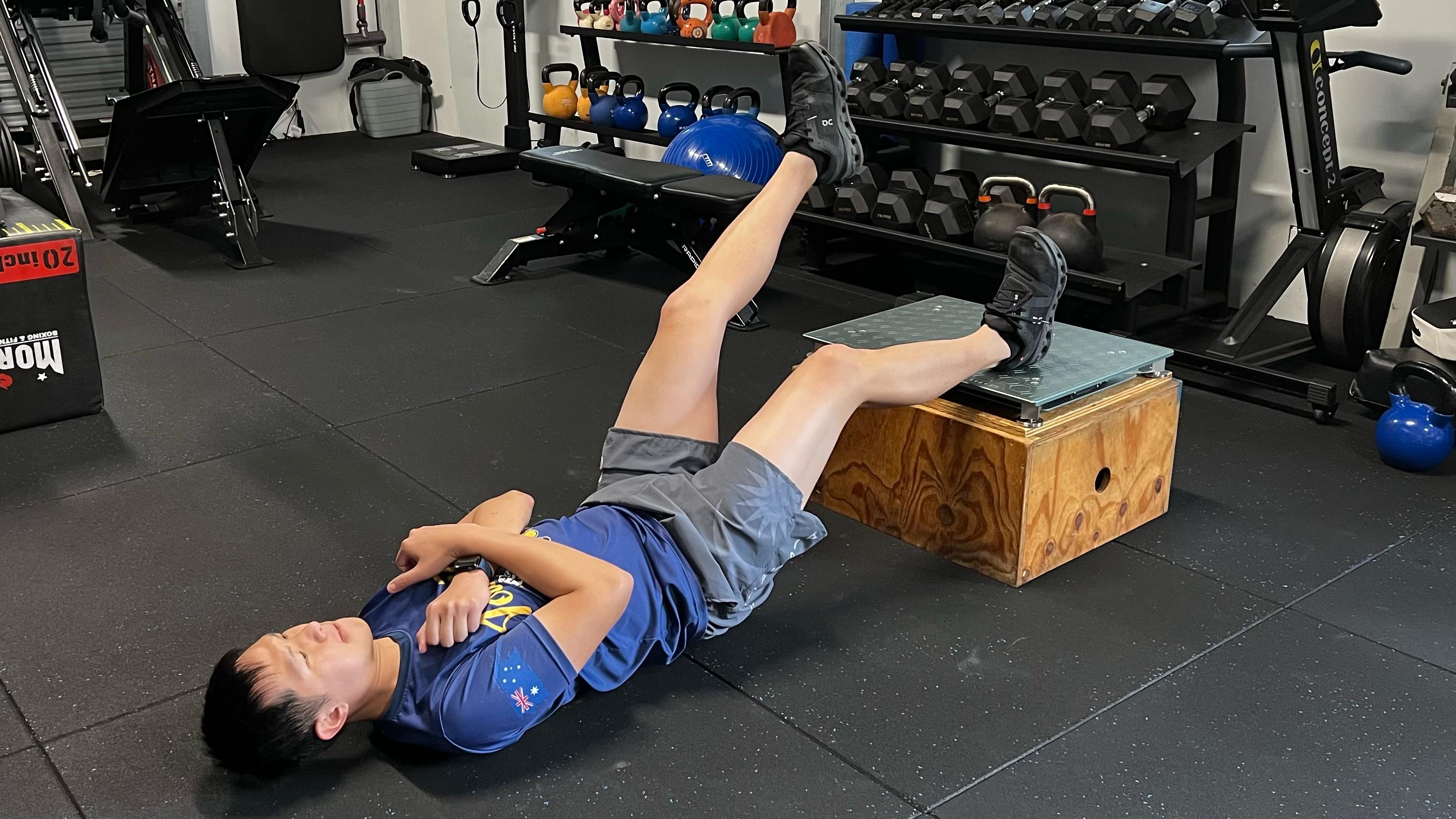
The Single Leg Elevated Hamstring Bridge Test focuses on the strength and endurance of the hamstring muscles. The test involves:
- Lying on your back with one heel elevated about 20 inches off the ground.
- Raising your body by pushing through the heel, assessing hamstring strength and endurance.
Key Metrics and Their Application
- Peak Vertical Force [N]: Measures maximum force exerted by the leg, indicating absolute hamstring strength.
- Peak Vertical Force / BM [N/kg]: Normalises peak force by body weight, essential for comparing athletes of different sizes and understanding strength relative to body mass.
- RFD - 200ms [N/s]: Rate of Force Development in 200 milliseconds, highlighting the quickness of force generation, crucial for explosive sports actions.
Single Leg Hop Test
Examining the Test
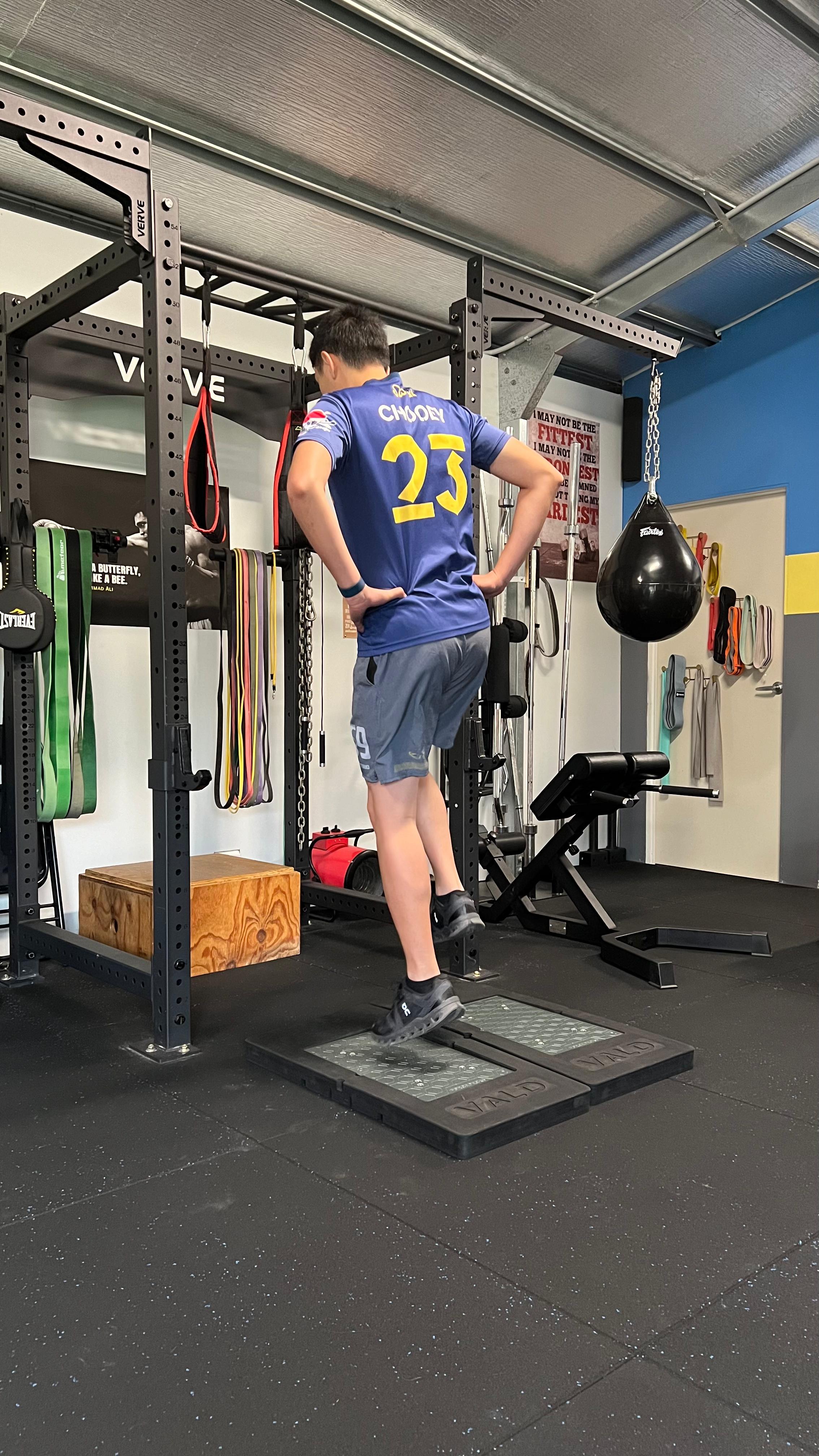
The Single Leg Hop Test assesses lower limb function and performance. It includes jumping on one leg and measures aspects of strength, power, and neuromuscular control. A benchmark of 10 repetitions to gauge conditioning and preparedness.
Key Metrics and Their Application
- Peak Power [W]: The highest amount of power generated during the hop, vital for understanding explosive strength and power output.
- Mean RSI (Reactive Strength Index) (Flight/Contact Time): Indicates reactive strength or the ability to efficiently change from an eccentric to a concentric contraction, crucial for agility and plyometric ability.
- Best Impulse [N s]: Reflects the capacity to generate and apply force over time, important for endurance in force application.


Integrating These Tests into Training and Rehabilitation
Tailored Training Programs
Both tests can inform the design of targeted training programs. For instance, low RFD values from the Single Leg Elevated Hamstring Bridge Test might indicate a need for more focus on rapid force generation, while a lower Mean RSI in the Single Leg Hop Test could suggest a need for enhanced plyometric training.
Injury Prevention and Rehabilitation
These tests are instrumental in identifying potential injury risks, particularly in the hamstrings, a common site of sports injuries. They can also guide rehabilitation progress and return-to-play decisions, providing objective measures of recovery and readiness.
Monitoring and Research
Regular use of these tests allows for monitoring an athlete’s progress over time, providing valuable data for optimising training and preventing injuries. They also offer rich data for research in sports science, contributing to evidence-based practices.
Conclusion
The Single Leg Elevated Hamstring Bridge Test and Single Leg Hop Test, with their specific metrics, are indispensable in the realm of sports performance and rehabilitation. They provide a detailed picture of an athlete’s strength, power, and neuromuscular control, facilitating targeted training interventions, effective injury prevention strategies, and evidence-based rehabilitation protocols. As we continue to integrate scientific insights into sports, these tests will remain pivotal in enhancing athletic performance and care.